
 By Ravi Singh
Okay, let’s be real. We’ve all seen the headlines: ” Car sales up!”, “Record growth in the auto sector !”. But here’s the thing – what does it actually mean for you, sitting there, possibly thinking about buying a new set of wheels? That’s what we’re digging into today. Forget the generic news; we’re talking about the real reasons behind the boom in the Indian automobile market , and what it signals for the future. Think of me as your friendly neighborhood auto analyst – minus the boring jargon.
Decoding the Growth | It’s More Than Just Numbers
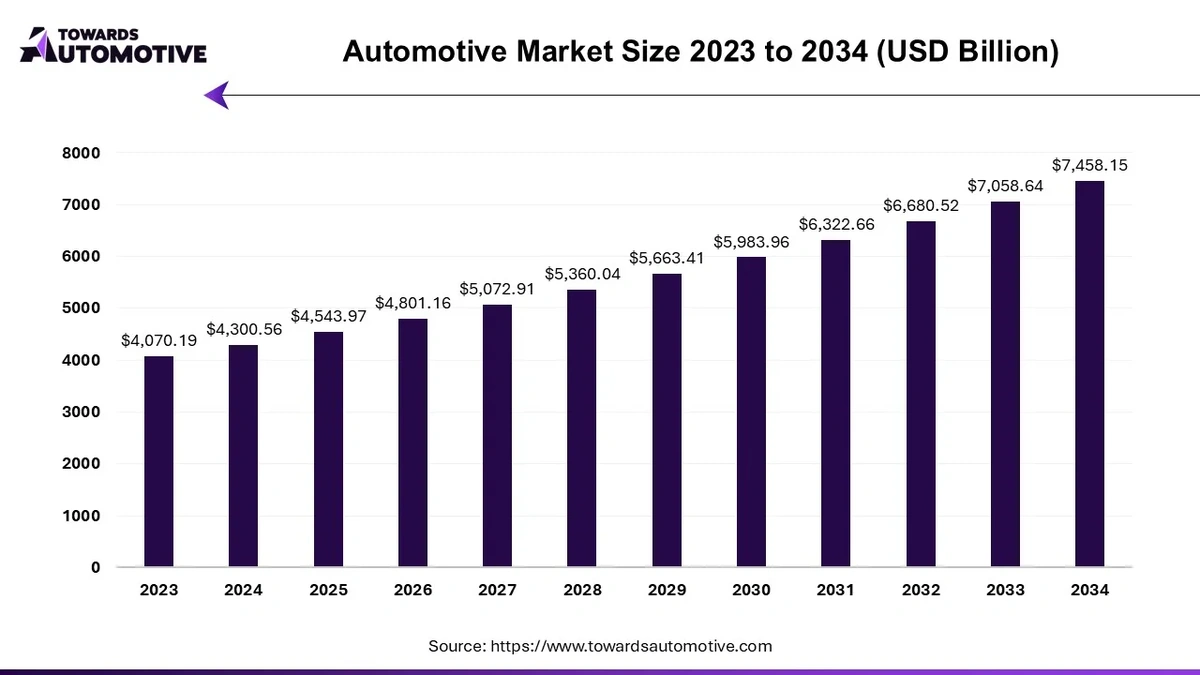
So, the Indian automobile market has apparently seen a significant surge in the first ten months of CY25. Great! But why? Everyone keeps saying it’s due to festivals and rural demand. While that’s part of the story, it’s not the whole story. What fascinates me is how these seemingly separate factors intertwine to create a perfect storm of vehicle sales .
Festivals, of course, are huge. Diwali, Dussehra – these are times when buying a new car is considered auspicious. Families save up all year, and dealerships roll out enticing offers. But it’s the rural demand that’s the real game-changer. And I’m not just talking about tractors (though they definitely play a role). We’re seeing increased demand for entry-level cars and two-wheelers in rural areas. Why? Better infrastructure, increased awareness, and, crucially, better access to financing.
Think about it – roads are improving, connecting villages to towns and cities. This makes owning a vehicle not just a luxury, but a necessity. Plus, with the rise of digital literacy and e-commerce even in the hinterlands, people are more aware of the options available and the benefits of owning a vehicle. And the banks are finally waking up to the potential of the rural market, offering more accessible loan schemes. All these factors contribute to the boom in the Indian car market . It’s not just luck; it’s a confluence of socio-economic changes.
The Rural Factor | Beyond the Festive Season
Let’s zoom in on this rural demand. A common mistake I see people make is underestimating its impact. It’s not just about the sheer volume of sales; it’s about the type of vehicles being sold. Rural buyers often prefer fuel-efficient, reliable, and affordable vehicles. This drives manufacturers to focus on these segments, leading to innovation and competition. This is crucial for the automobile market .
Moreover, the rise in rural income is a key driver. Government schemes focused on agriculture, coupled with increased awareness of better farming practices, have put more money in the hands of rural households. And what do people do when they have more disposable income? They invest in things that improve their quality of life – like a new car or motorcycle. This in turn drives the automotive industry .
But, and this is a big but, it’s not all sunshine and rainbows. Rural demand is also more susceptible to economic fluctuations. A bad monsoon, for example, can severely impact rural incomes and, consequently, vehicle sales . So, while the growth is impressive, it’s important to remember that it’s not immune to external shocks.
The Road Ahead | Challenges and Opportunities
Looking ahead, the Indian automobile market faces both challenges and opportunities. The shift towards electric vehicles (EVs) is perhaps the biggest disruption on the horizon. While EV adoption is still in its early stages, the government is pushing hard for it, offering subsidies and incentives. But, let’s be honest, the infrastructure isn’t quite there yet. Charging stations are still scarce, especially in rural areas.
And then there’s the issue of affordability. EVs are currently more expensive than their petrol or diesel counterparts. This is a major barrier for many buyers, especially in the price-sensitive Indian market. Manufacturers are working on developing more affordable EVs, but it’s going to take time. But, there is definitely scope in the market to grow and to change the automotive trends .
However, this also presents a massive opportunity. India has the potential to become a global hub for EV manufacturing. The government’s “Make in India” initiative encourages domestic production, which can bring down costs and create jobs. Plus, India has a large pool of skilled engineers and a growing ecosystem of auto component suppliers. The future of auto sales is surely going to depend upon this.
The Global Context | How India Stacks Up
It’s easy to get caught up in the domestic picture, but it’s important to remember that the Indian automobile market doesn’t exist in a vacuum. It’s influenced by global trends, economic conditions, and technological advancements. Compared to other major markets like the US or China, India is still relatively small, but it’s growing rapidly.
What fascinates me is how India is adapting to these global trends. For example, the rise of shared mobility services like Uber and Ola has had a significant impact on car ownership, particularly in urban areas. However, unlike in some Western countries, where car ownership is declining, in India, it’s still on the rise. People see owning a car as a symbol of status and independence, and that’s not going to change overnight. The Indian automotive industry is a very important sector in the country.
Furthermore, India’s unique demographic profile – a large and young population – makes it an attractive market for global automakers. But to succeed in India, they need to understand the local nuances and cater to the specific needs of Indian consumers. It’s not enough to simply transplant models from other markets; they need to be adapted to Indian conditions and preferences.
Final Thoughts | Beyond the Hype
So, the Indian automobile market is growing, yes. Driven by festivals, rural demand, and a whole host of other factors. But it’s a complex story, one that’s constantly evolving. It’s not just about the numbers; it’s about the people, the policies, and the underlying economic forces that are shaping the future of mobility in India. And understanding that complexity is key to navigating this dynamic market. Ultimately, a stable Indian economy will always help the automobile market .
Don’t just take the headlines at face value. Dig deeper, ask questions, and understand the real drivers of growth. And remember, the next time you see a news report about record sales, think about the farmer in a village who’s finally able to afford a new motorcycle, or the family who’s saving up for their first car. Because that’s the real story behind the numbers.
FAQ
What are the main factors driving the growth of the Indian automobile market?
Festivals, rural demand, improving infrastructure, and increased access to financing are key drivers.
How is the shift to electric vehicles impacting the market?
EV adoption is still in early stages, but the government is pushing for it with subsidies. Affordability and infrastructure remain challenges.
What are the key challenges facing the Indian automobile market?
High fuel prices, rising raw material costs and supply chain disruptions are challenges for the automotive industry .
How does the Indian automobile market compare to other global markets?
India is growing rapidly but still smaller than major markets like the US or China. It’s adapting to global trends like shared mobility, but car ownership remains a status symbol.
What role does government policy play in the growth of the automobile market?
Government policies, such as tax incentives and infrastructure development, significantly influence market growth. Also car launches boost the market